Learn About historic ballpark exhibits
Uncovering America's Heritage at the National Ballpark Museum
The National Ballpark Museum provides a unique glimpse into America's baseball heritage. Through its assemblage of memorabilia and exhibits, visitors can discover the sport's evolution alongside social changes. Iconic uniforms and rare pictures share stories of legends and their influence on the game. As groups engage with interactive exhibits, they discover how baseball stays intertwined with American culture. What revelations might this museum unveil about the future of the sport?
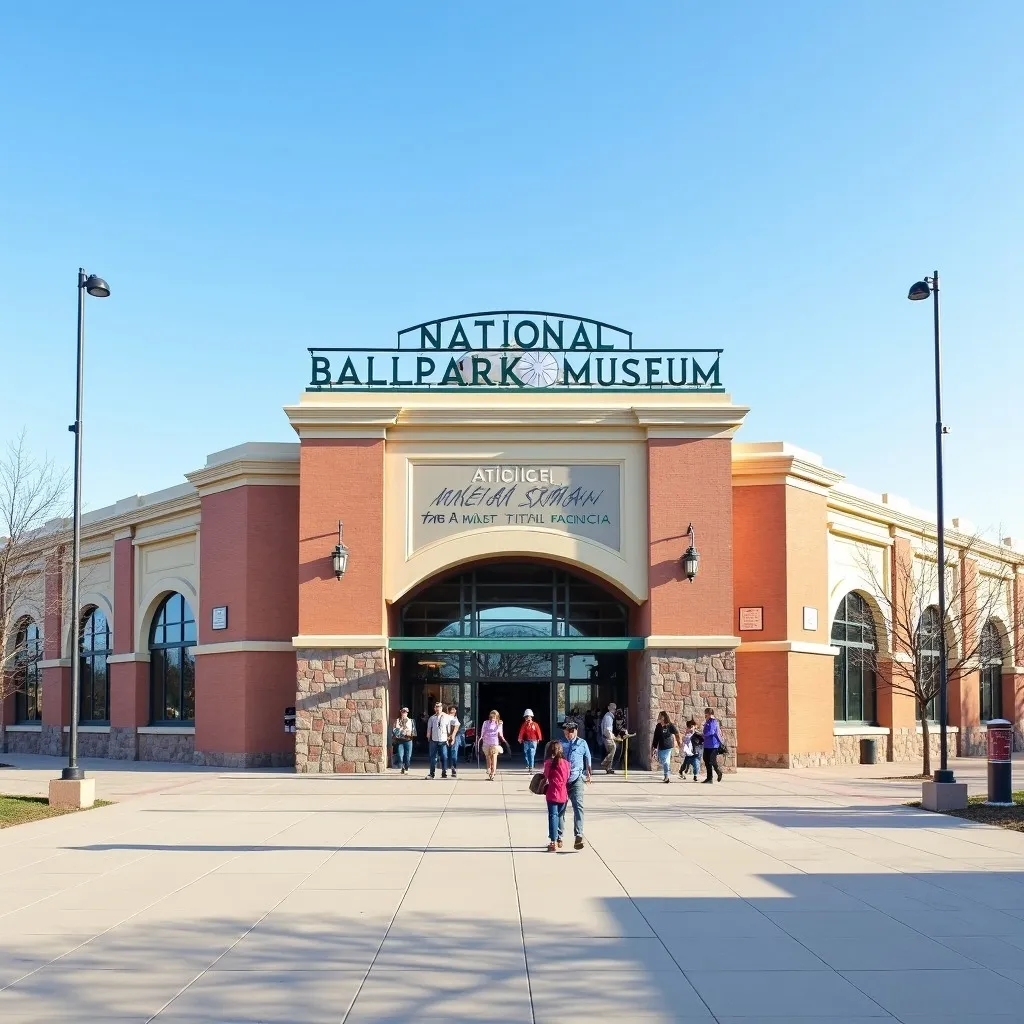
The Prosperous Legacy of Baseball in America
Baseball, often referred to as America's favorite sport, has a rich history that is deeply connected to the social tapestry of the nation. Emerging in the mid-19th century, the sport quickly gained popularity, reflecting the social dynamics and local characteristics of the time. The establishment of professional leagues National Ballpark Museum address changed baseball into a cornerstone of American entertainment, with the National League forming in 1876 and the American League following in 1901.
Major events, such as the integration of baseball in 1947 with Jackie Robinson, marked significant societal shifts, opposing societal norms and promoting civil rights. The game has also experienced legendary figures, from Babe Ruth to Hank Aaron, whose contributions resonate beyond the diamond. Historic ballparks have held countless unforgettable moments, generating a shared experience for fans. Overall, baseball serves as a reflection of American history, capturing triumphs, struggles, and the enduring spirit of a nation united by its devotion for the game.
Memorable Baseball Treasures You Can't Overlook
While memories of legendary games and historic moments linger in the thoughts of fans, notable baseball artifacts acts as physical links to the sport's storied past. The National Ballpark Museum contains an remarkable assortment, showcasing items that encapsulate the spirit of baseball's history. Visitors can gaze at vintage uniforms worn by Hall of Famers, each thread telling a story of success and determination. Signed balls, preserved in glass cases, provide glimpses into personal connections between players and fans, while rare photographs commemorate pivotal moments in baseball history.
Among the standout features are championship rings, representing the peak of achievement, and vintage tickets that transport guests back to memorable matches. Each piece encourages contemplation and appreciation for the game's development. This thoughtfully assembled collection not only displays the sport's key moments but also evokes sentimental feelings, reminding attendees of the enduring legacy of America's pastime.
Get to Know the Legends: How the Museum Commemorates Baseball Icons
The homage to baseball legends fills the atmosphere of the National Ballpark Museum, where visitors are invited to explore the lives and accomplishments of the sport's most iconic figures. The museum showcases captivating exhibits that highlight the accomplishments of baseball stars, offering artifacts, photographs, and interactive displays that bring their stories to life. Each section is meticulously curated to reflect the unique contributions of players such as Babe Ruth, Jackie Robinson, and Hank Aaron, demonstrating their impact both on and off the field.
The museum also holds special events and guest speakers, giving fans occasions to listen to firsthand accounts and insights from former players and historians. This dedication to honoring baseball icons promotes a deep connection between visitors and the legends who established the game. Through its immersive environment, the National Ballpark Museum assures that the legacy of these players continues to motivate future generations of baseball enthusiasts.
Learn the Ways Baseball Stadiums Have Transformed
Baseball has advanced throughout the decades, and its stadiums have experienced considerable renovation to address the shifting preferences of fans and players alike. Early ballparks were typically basic, featuring wooden bleachers and sparse amenities, built chiefly to the game itself. Yet, as the sport rose in popularity, stadiums started to integrate additional features, including upgraded seating options, concessions, and restrooms, enhancing the overall experience.
The introduction of cutting-edge technology led to remarkable progress, including large-scale displays and state-of-the-art acoustics. Structurally, stadiums progressed from the balanced, conventional aesthetics to increasingly bespoke, audience-centered arrangements, generating captivating settings that represent local character. The expansion of corporate partnerships also impacted construction, with premium boxes and upscale seating turning into the norm. Today, stadiums function as flexible establishments, accommodating entertainment and functions outside of baseball, emphasizing their versatility and relevance in American society. This transformation demonstrates not merely a activity, but a dynamic community center.
Family-Welcoming-Activities at the National Ballpark Museum
The National Ballpark Museum presents a selection of child-appropriate experiences that recognize the rich history of baseball and its celebrated stadiums. Families can take in hands-on experiences that prompt children to connect with the sport's history through participatory installations. A search adventure throughout the museum prompts young visitors to uncover artifacts and discover about storied athletes and significant events.
Additionally, the museum coordinates instructional sessions where children can strengthen their baseball skills, explore the science of the game, and engage in storytelling sessions about famous teams and their achievements. Special events, such as family days, often present guest speakers from the baseball community, delivering a personal touch to the experience. With its inviting atmosphere and varied activities, the National Ballpark Museum builds a love for baseball, making it an ideal spot for families looking to unite over America's favorite pastime.
Prepare Your Visit to the National Ballpark Museum
Thinking about how to maximize a tour to the National Ballpark Museum? Visitors are recommended to check the museum's official website for current hours and admission fees before planning their trip. Located in Denver, Colorado, the museum is conveniently accessible via public transportation and offers nearby parking options. It is advisable to allocate at least two hours to explore the extensive exhibits, which feature baseball history and memorabilia.
For those looking for a curated visit, the museum offers educational guided tours that investigate further into the collections. Families can enjoy interactive displays, making it a unforgettable visit for all ages. Additionally, guests should reflect on scheduling their arrival to align with exclusive occasions or rotating exhibitions for an better experience. Finally, the museum shop provides special mementos for enthusiasts to bring back, ensuring that the visit creates a enduring memory.
Commonly Requested Questions
What Are the Museum's Business Hours?
The museum functions from 10 AM to 5 PM, Tuesday through Sunday. It remains closed on Mondays, enabling staff to maintain exhibits and prepare for the next day's visitors enthusiastic to discover its collections.
Is There an Admission Fee for the Museum?
The museum levies a modest entrance fee for access. Patrons can savor a comprehensive collection of artifacts and historical exhibits, improving their understanding of the sport's effect on American culture and history.
Are there professional tours provided at the Museum?
The museum offers guided tours that deliver patrons with a comprehensive experience. Informed guides present insights and tales about the exhibits, expanding the understanding of baseball history and its cultural importance.
Is it Possible to Acquire Keepsakes at the Museum?
You can buy souvenirs at the museum. Guests will come across a selection of souvenirs, such as wearables, keepsakes, and themed goods, letting them to get a piece of the visit from their time there.
Are Museum Facilities Mobility Device Accessible?
The museum ensures accessible features for wheelchairs, confirming that all visitors can navigate its presentations comfortably. Designated ramps and accessible routes are available, supporting inclusivity and enabling everyone to appreciate the rich history showcased within its areas.